

Your resource for data and research-backed insights on aging policy
People are living longer, healthier lives than ever before. By 2030, one in five Americans will be 65 or older. These changes affect every aspect of our lives — and as we age, they require new policies and programs to ensure a healthy, secure future for all of us.

At the Consortium for Aging Policy Research & Analysis (CAPRA), we find existing data and conduct original research to support evidence-based policy solutions to today's complex aging-related issues. As a group of experts from the University of Maine Center on Aging and the University of Southern Maine Catherine Cutler Institute, we provide an informed perspective and trusted, cost-effective analysis to bridge the gap between academic investigation and real-world approaches. Through leveraging policy expertise at the Margaret Chase Smith Policy Center, the Institute of Medicine, and across university campuses, we support leaders at the state and national level — in both the public and private sphere — to drive policy and programming forward.
If you’re an individual, agency, or organization with a need for independent research, analysis, or guidance on issues relating to aging or older people, we can help. Reach out today to start a conversation.
We are laying a foundation for policy action that supports all of us as we age.

Informed public policies can support older people in having essential and quality of life needs consistently met, from accessing quality healthcare to being able to reliably get to the grocery store or have snow removed from walkways.
We are all entitled to agency over our lives and decisions as we age, but there are often systemic barriers and policy gaps that prevent us from being engaged and fulfilled in later life. Together, we can break down these barriers. With accessible and reliable data and analysis, we can shorten the time between research and policy action.
CAPRA supplies a wide range of substantive and methodological policy expertise to address current and emerging aging population opportunities and challenges, and contributes to broader use of policy research and analysis in the midst of today's demographic shifts.
We are all aging and we deserve a comfortable, secure future.

We’re here to help answer policy-related questions.
Below are our areas of expertise, with a sampling of questions we’re able to help individuals, agencies, and organizations answer.
-
How can we identify key structural and quality issues in the long-term care service system? What policy action in other states has contributed to improvements in care delivery and quality of life for people needing long-term care in community and facility settings?
-
How can we address public and private policy barriers to effective implementation of age-friendly communities and age-friendly health systems? What policy solutions will encourage communities, universities, and health care systems to adopt age inclusive policies?
-
What state policies and regulations help or hinder workforce development and retention? What community-level solutions can be scaled up to address wider needs? What policies will encourage older workers to remain working or return to work, if they wish?
-
What policies can offer appropriate EOL decision support for people with cognitive changes?
-
How do we identify public and private policy barriers to volunteerism? What policy solutions will encourage civic engagement and volunteerism.
-
What policy changes are needed to ensure that the concerns of older adults are included in public health initiatives and interventions? How can we better message that ageism is a public health threat?
-
How can we use theory to design, implement, and evaluate aging-related public policy to be more effective, cost-effective, or efficient? How can we use theory to determine policy feasibility?
-
What can state and local policy do to support community interventions that support social engagement? How can we use policy to effectively coordinate local, state, and private SIL interventions?
-
How can local, state, and federal policies support caregivers to continue their caregiving activities over time, and as they and their partners age?
-
How can age-friendly community initiaitves work with municipal partners to advocate for age-and ability-friendly community resilience plans and infrastructure development? How can we include the experiences of older residents in the process?
-
What policy actions will be most effective in nudging social change to achieve a less ageist society? What is the most effective ageism education, and how can policymakers support broader adoption of that education?
-
What policy solutions can mitigate risk factors for abuse such as social isolation and loneliness (SIL), gender inequity, physical disability, and dependency on others? How do state and federal policies impact the identification, prevention, and response to elder abuse?
-
How can state and federal policy support the integration of aging network providers into primary care and age-friendly communities? What policy structures or processes would increase access to Area Agency on Aging services and support?
-
How can state policy leverage family caregiver support to address the needs of people with IDD? What state and federal policy solutions can ensure that the needs of people with IDD with aging parents or guardians are addressed?
We bring deep knowledge in aging policy and practice to our work. As a collaboration between the University of Maine Center on Aging and the University of Southern Maine Catherine Cutler Institute, we can leverage the subject matter and technical expertise of the professional staff at both institutions. Meet our co-directors below.
Meet our team.

Mary Lou Ciolfi, JD, MS
Asst. Dir. of Policy & Education University of Maine
Center on Aging
-
Mary Lou Ciolfi, JD, MS, conducts research and analysis on various aspects of aging-related policy and long-term care service delivery. Ciolfi is a licensed Maine attorney and has worked in aging policy research with colleagues at the University of Southern Maine’s Muskie School of Public Service, and she is an adjunct faculty member at the University of New England where she teaches Public Health Law and Public Health Policy.
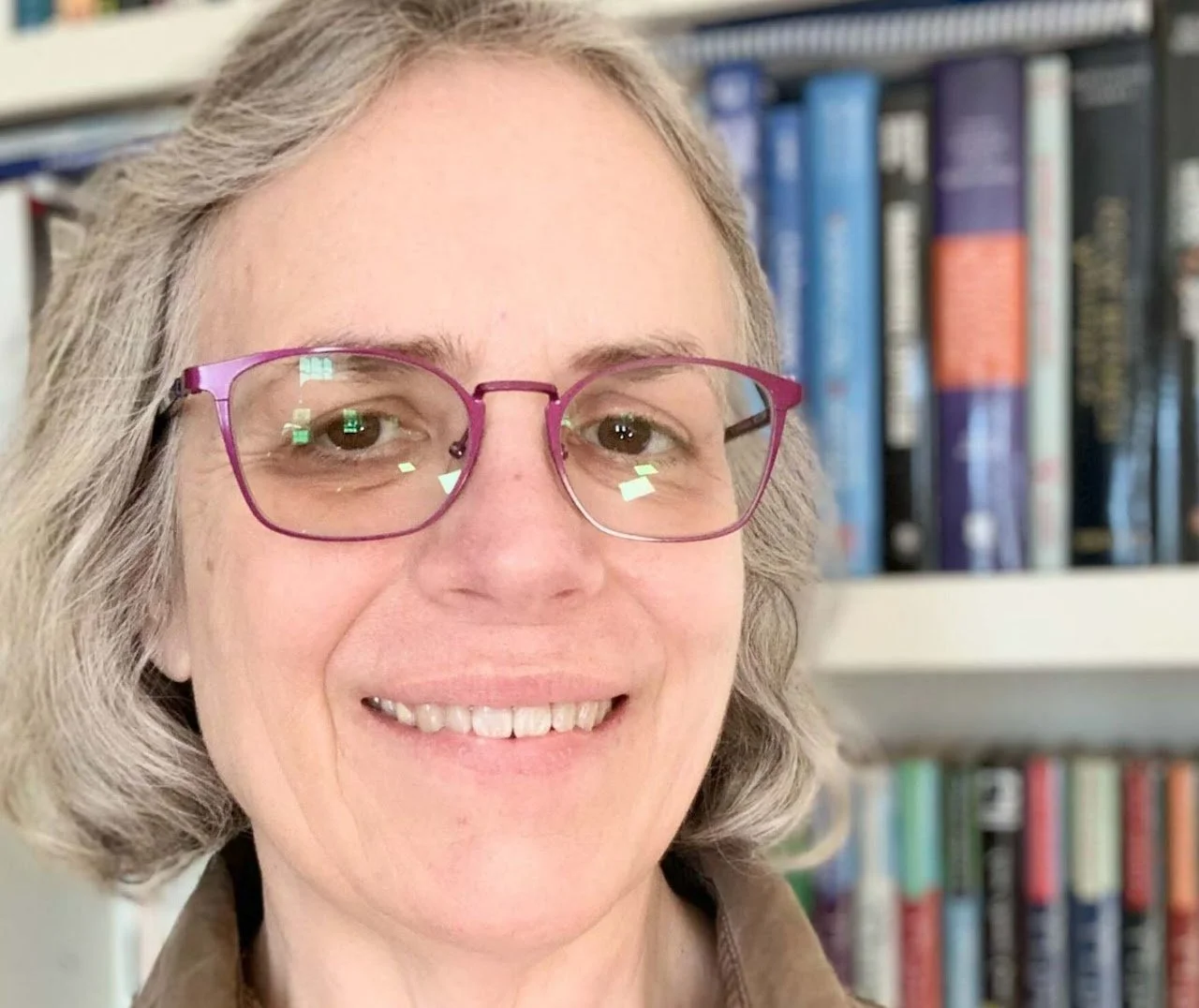
Patricia Oh, PhD, MSW
Asst. Dir. of Community Engaged Research UMaine
Center on Aging
ORDiD - 0009-0009-3083-0631
-
With more than two decades of experience in the field of aging, Dr. Patricia Oh’s expertise is in translational and community-engaged research, program development, evaluation, and professional & community education. She has written more than a dozen book chapters and peer-reviewed articles about age-friendly community development but her passion is working alongside Maine's growing number of age-friendly communities.
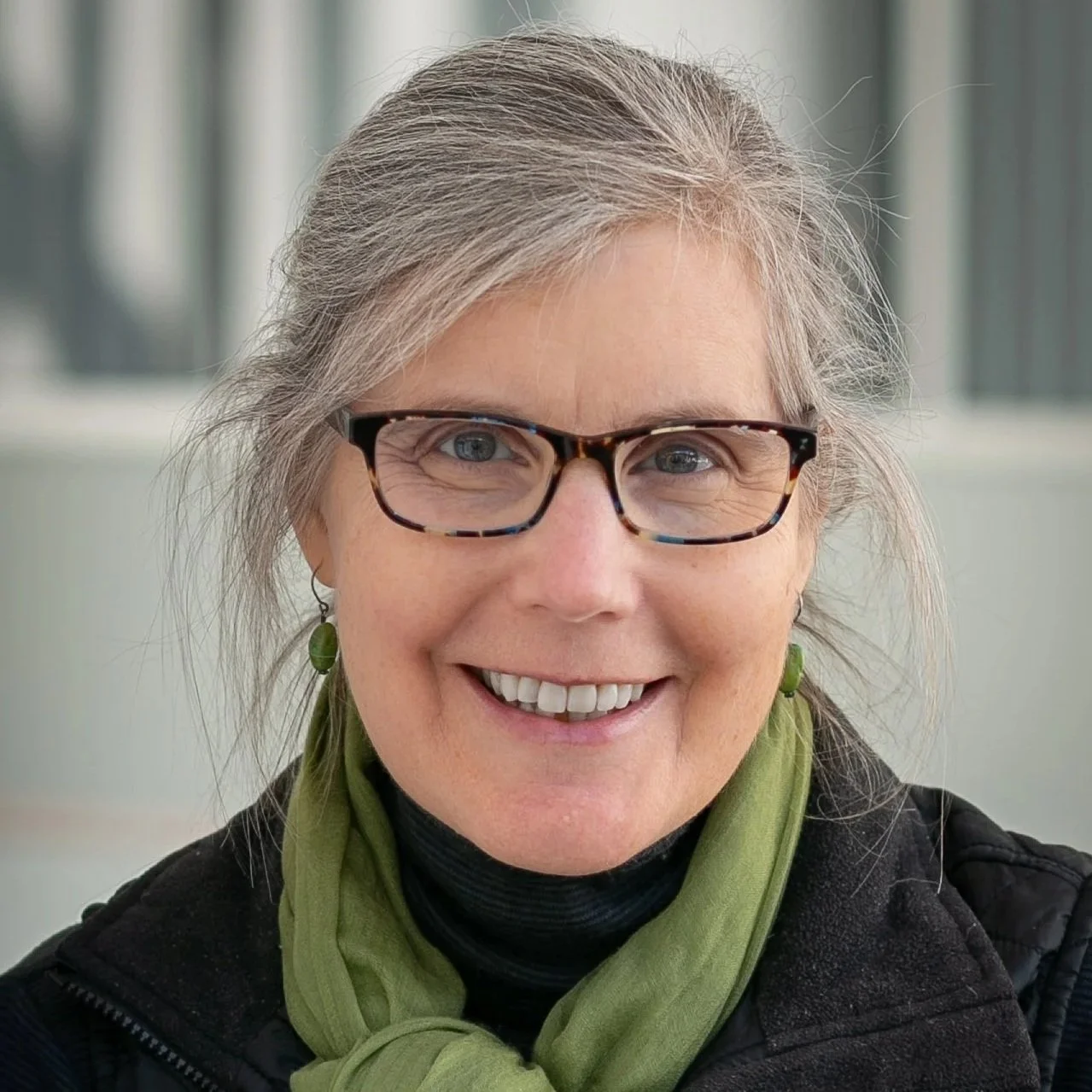
Kimberly Snow, MHSA
Senior Research Associate
University of Southern Maine
Catherine Cutler Institute
-
Kimberly Snow, MHSA, conducts research and analysis on Medicare and Medicaid policy, elder abuse, caregiving, and workforce issues impacting older adults. Snow’s work has assisted state and federal partners understand how public resources are used to help older adults live healthy, active, secure, and engaged lives. She is a member of the Maine Council for Elder Abuse Prevention and assisted in the development of Maine's Elder Justice Roadmap.
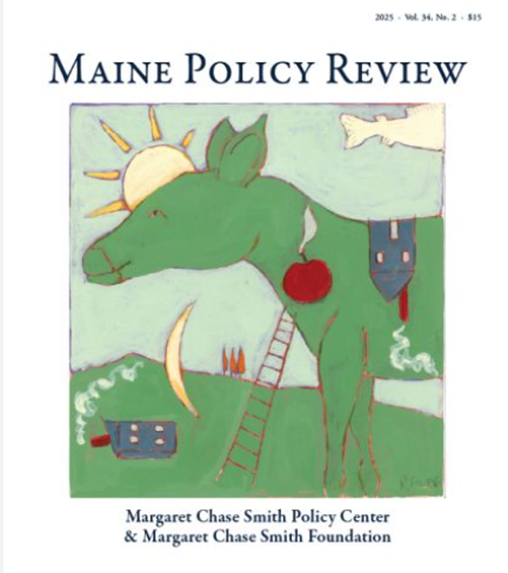
Selected publications
Meeting Essential and Quality of Life Needs of Rural Older Mainers through the Community Connector Pilot
Those counties in which more than 20% of the population are age 65 or older are overwhelmingly in rural locations and face housing, healthcare, and service access challenges and environmental pressures. Maine’s recent Statewide Needs Assessment for our State Plan on Aging identified many essential and quality of life unmet needs and preferences of older Mainers, including the many older adults living in rural areas. A recent State of Maine initiative, the Community Connector Pilot, shows promise for addressing the unmet needs of older people residing in rural locations. The Pilot will inform policy change for state and local governments and can be a successful model in future locations in Maine and other rural states.
View the extended list of publications.
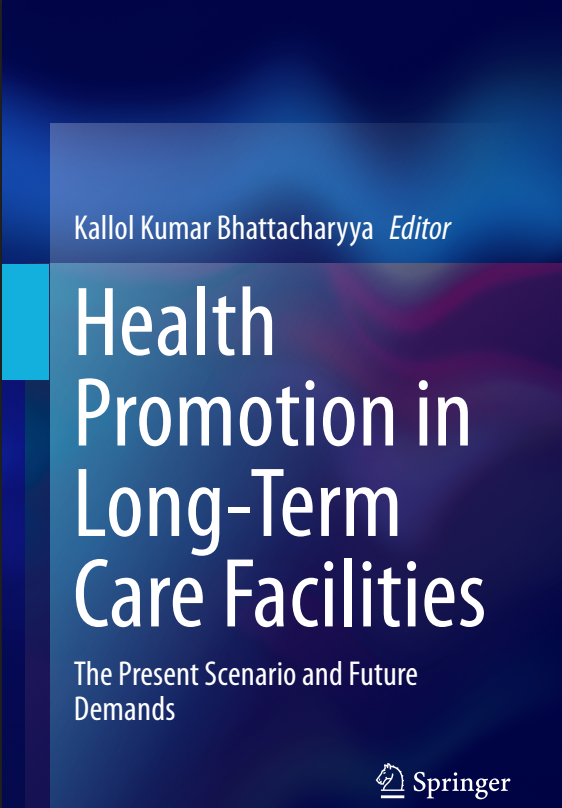
Book Chapter: Extending the Age-Friendly Movement to Long-Term Care
The global age-friendly community (AFC) movement champions policies, services, and infrastructure that foster active, healthy, and engaged aging across all aspects of civic life. The initiative aims to create environments where residents of all ages and abilities are respected as valued residents who contribute to and benefit from their community. The integration of care facilities with the community, a key goal of age-friendly long-term care, presents an opportunity for AFHS and AFCs to collaborate in enhancing the lived experience of long-term care residents, family care partners, and professional caregivers. This chapter considers the advantages of implementing age-friendly long-term care (AFLTC), describes how AFCs in the United States have partnered with long-term care, and explores how emerging technologies may expand opportunities for older residents to age in their preferred communities. The chapter concludes with recommendations for promoting integration between AFC and AFLTC.
Fill out the form and include a brief description of your work and your needs, and we’ll be in touch soon.
Let’s talk.